x402 endpoints for NFT metadata refresh
The x402 protocol introduces a payment layer to API calls, allowing developers to gate access to resource-intensive operations like NFT metadata refreshes. When you implement x402 endpoints for NFT metadata refresh, the consumer pays a micro-fee to trigger an update from the blockchain source.
This approach shifts the cost burden from the indexer to the requester. Instead of subsidizing constant polling for stale data, you only refresh when a user explicitly pays for the latest state. This is particularly useful for high-volume collections where metadata changes frequently due to trait updates or external integrations.
However, the constraint lies in the latency and reliability of the underlying node provider. OpenSea and Alchemy offer dedicated refresh endpoints, but they are not instantaneous. The x402 payment must clear before the node processes the request, adding a small but measurable delay. For real-time trading floors, this delay might be unacceptable, but for archival or display purposes, it is a viable trade-off.
You must also consider idempotency. If a payment fails or times out, the endpoint should not trigger duplicate refreshes. Ensure your x402 implementation validates the transaction hash before calling the provider’s refresh API. This prevents double-charging and keeps your ledger clean.
X402 endpoints nft metadata choices that change the plan
When building AI agent commerce workflows, the choice of metadata refresh endpoint dictates both cost and data freshness. You are not just updating a JSON file; you are paying for the privilege of real-time accuracy. Each provider offers a different balance of latency, coverage, and pricing structure that impacts your bottom line.
The Tradeoff Matrix
The table below compares the primary mechanisms for refreshing NFT metadata across major infrastructure providers. Evaluate these against your specific use case—whether you need instant updates for high-frequency trading or batched updates for archival storage.
| Provider | Mechanism | Coverage | Cost Model | Latency |
|---|---|---|---|---|
| OpenSea | Queue-based | Multi-chain | Free (rate-limited) | Delayed (minutes) |
| Alchemy | API Request | EVM Only | Per-call (high volume) | Fast (seconds) |
| QuickNode | RPC Method | Solana/EVM | Subscription | Fast (seconds) |
| Thirdweb | Contract Write | ERC-721A | Gas + Platform | Block confirmation |
Analyzing the Data
OpenSea’s queue-based approach is ideal for projects that do not require immediate visibility. It is free but introduces a delay that can break real-time agent logic. Alchemy and QuickNode offer near-instantaneous updates via API or RPC, but they charge per call or require a higher-tier subscription. This cost scales linearly with your NFT volume.
Thirdweb’s contract-write method is unique because it triggers an on-chain event. This ensures immutability but requires gas fees and block confirmation time. For AI agents executing trades based on metadata changes, this latency is often too high. However, for proving ownership history, it is the most robust option.
Choosing the Right Endpoint
Your decision should hinge on two factors: how fast the data needs to be, and how much you are willing to pay per update. If your AI agent monitors price floors in real-time, Alchemy or QuickNode is necessary. If you are updating metadata for a one-time event, OpenSea’s free queue is sufficient.
Choose the next step
2026 guide: Automating x402 Endpoints for NFT Metadata Refresh with AI Agent Commerce works best as a clear sequence: define the constraint, compare the realistic options, test the tradeoff, and choose the path with the fewest hidden costs. That order keeps the advice usable instead of decorative. After each step, pause long enough to check whether the recommendation still fits the reader's actual situation. If it depends on perfect timing, unusual access, or a best-case budget, include a simpler fallback.

Spotting Weak Automation in x402 Metadata Refreshes
Automating x402 endpoints for NFT metadata refreshes introduces specific failure modes that break trust. When AI agents handle these requests, they often misinterpret cache invalidation signals or ignore rate limits. This section highlights the most common implementation errors and how to verify your setup is actually working.
Ignoring Provider-Specific Rate Limits
Many developers assume all metadata refresh endpoints behave identically. This is incorrect. OpenSea and Alchemy enforce different rate limits and response structures. If your AI agent sends burst requests without respecting these constraints, it will trigger temporary blocks. Always check the provider’s developer documentation for current limits before deploying automated scripts.
Misinterpreting "Success" Responses
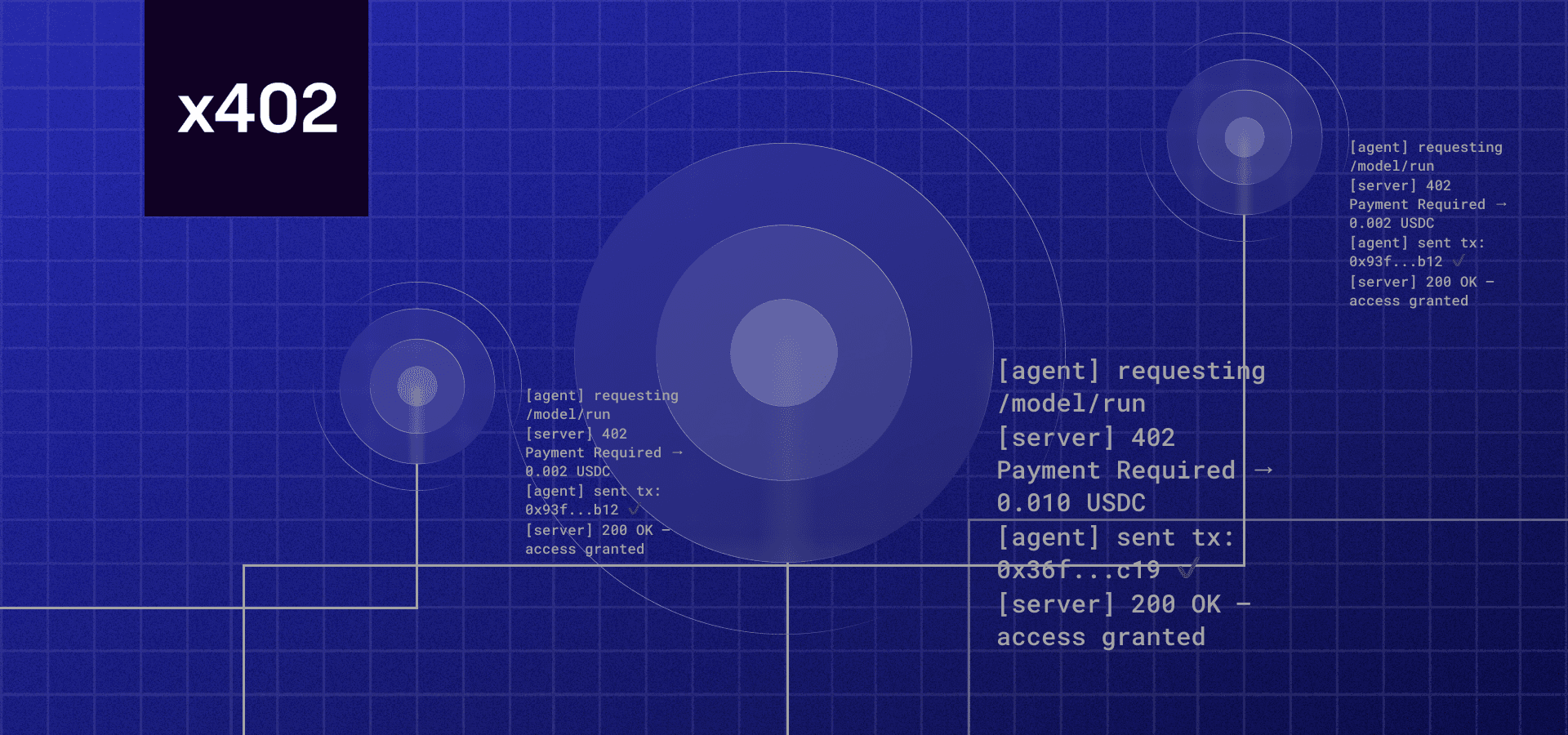
A 200 OK response from a refresh endpoint often means the request was queued, not that the data is updated. AI agents that assume immediate consistency will read stale metadata. Implement a polling mechanism or use webhook listeners if available to confirm the actual state change on-chain. Never treat a submission success as a completion signal.
Failing to handle chain-specific limits to account for
Some refresh endpoints only support specific networks, such as Ethereum Mainnet. If your automation logic does not validate the chain ID before sending requests, it will silently fail or throw unhandled errors. Ensure your agent checks network compatibility and skips unsupported chains to prevent wasted compute and broken workflows.
X402 endpoints for nft metadata refresh: what to check next
Before implementing x402 payment-gated APIs for metadata updates, developers often face specific technical hurdles. The following answers address the most common objections regarding cost, chain compatibility, and data synchronization.
No comments yet. Be the first to share your thoughts!