Set up the x402 payment gateway
Before exposing any NFT metadata logic, you must establish the infrastructure that accepts payments. The x402 protocol embeds payment verification directly into the HTTP response, meaning your server needs to handle incoming payment proofs before delivering content.
Start by selecting a blockchain network for settlement. Most x402 implementations use Stellar or Base for their low fees and speed. Ensure your development wallet holds a small amount of native tokens to cover transaction costs during testing. If you are using USDC, verify that your wallet supports the specific chain version you have chosen.
Next, initialize the x402 middleware in your server environment. For Node.js applications, this typically involves installing the @x402 package and configuring the middleware to intercept requests. The middleware acts as a gatekeeper, checking for valid payment proofs in the Authorization header before your API logic executes.
Finally, configure your API endpoints to require payment. Define which routes are public and which require a successful x402 payment. This setup ensures that only clients with valid payment proofs can access your NFT metadata refresh functions, creating a secure foundation for your monetized service.
Create the NFT metadata refresh endpoint
Building an x402 endpoint for NFT metadata refresh requires handling the payment flow before triggering the on-chain or indexer update. The goal is to create a single API route that accepts payment, validates the request, and executes the metadata refresh via your chosen provider. This approach ensures that metadata updates are monetized and secured by the x402 protocol.
The implementation relies on a standard Express.js or Next.js API route. You will need to capture the x-payment-header from the incoming request to verify the x402 payment token. Once verified, the endpoint calls the underlying provider's API to update the NFT's state.
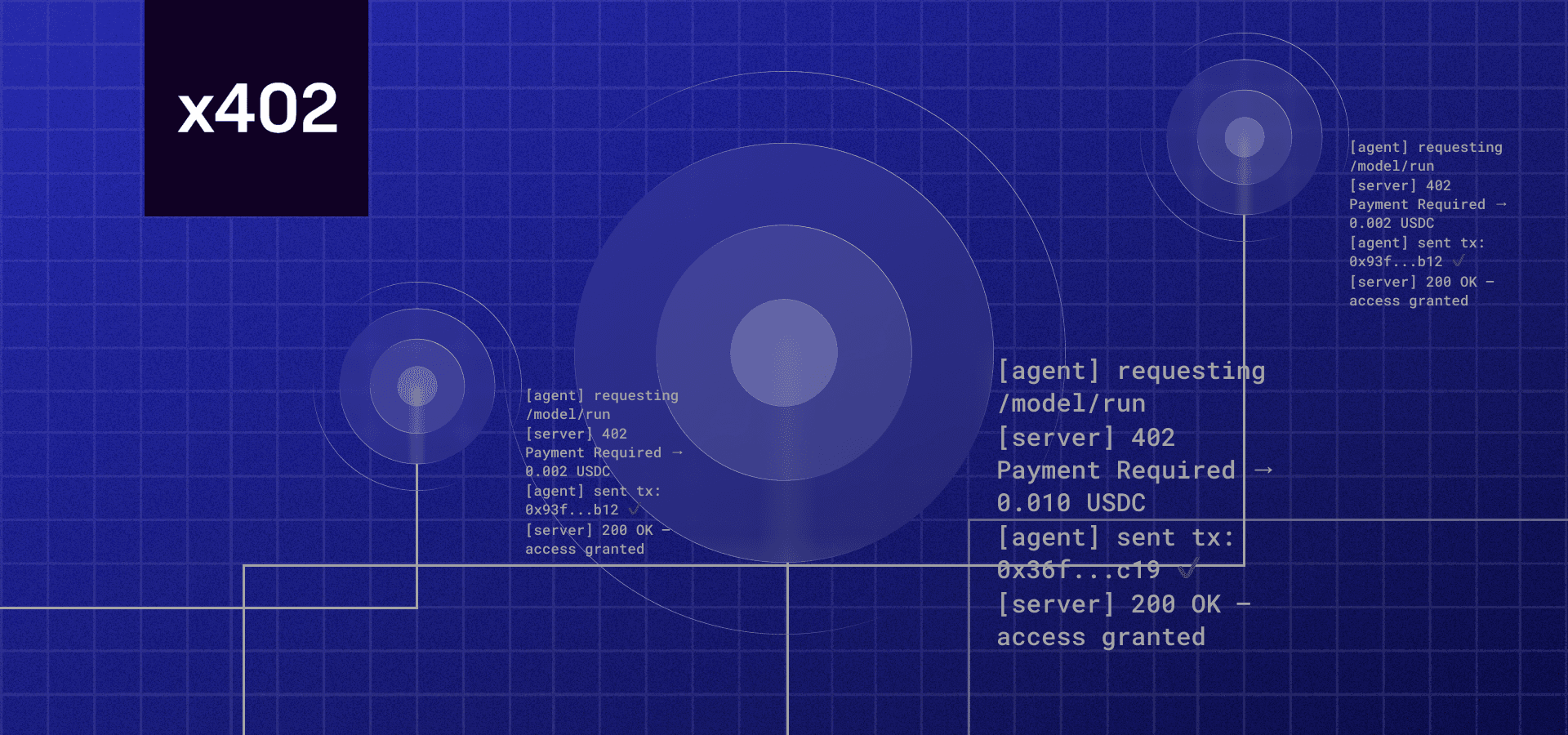
Initialize a new route handler (e.g., /api/refresh-nft). Ensure your server is configured to parse JSON bodies and handle CORS correctly. This route will serve as the entry point for clients requesting a metadata update. Use environment variables to store your API keys securely.
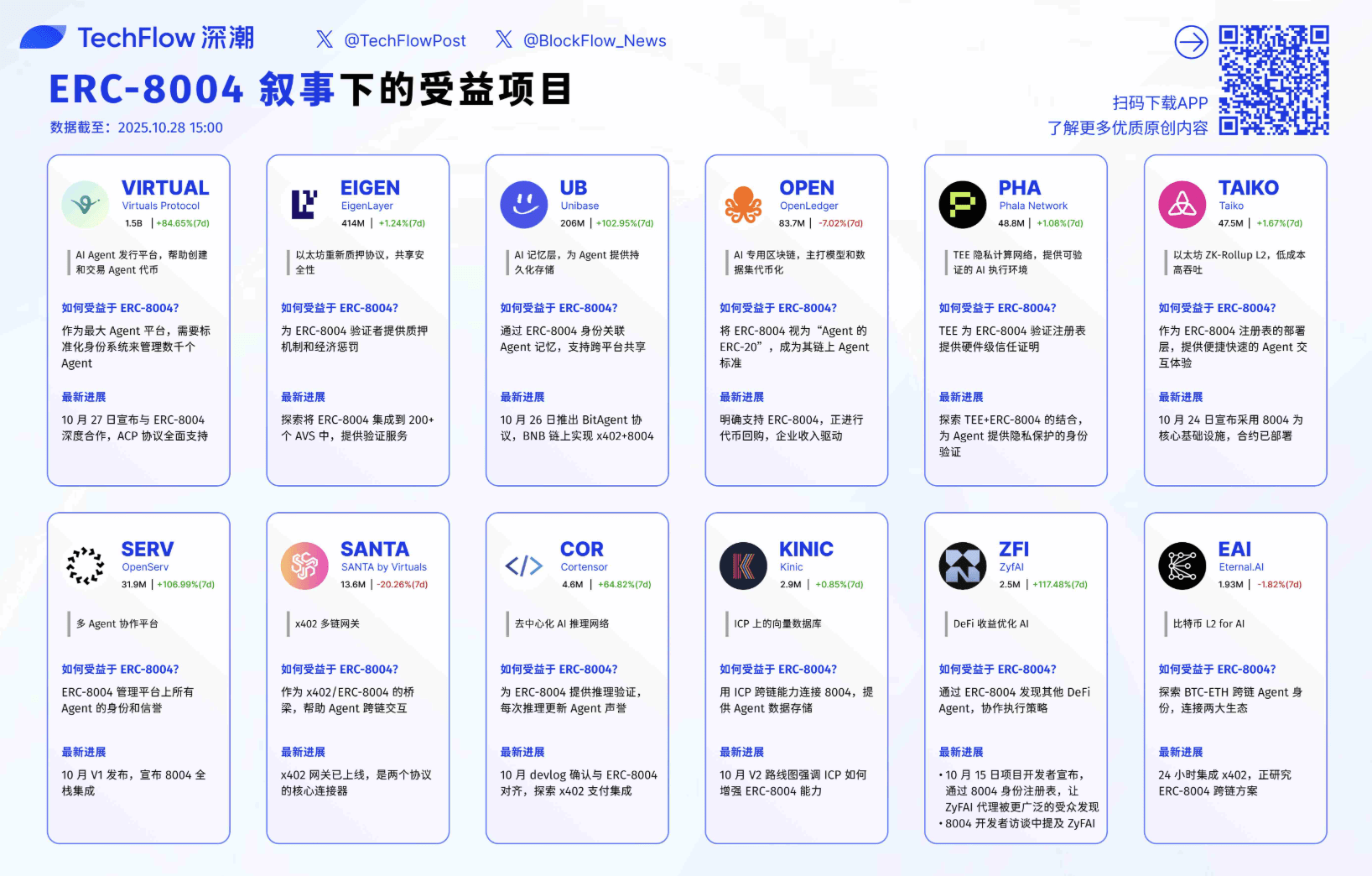
Extract the x-payment-header from the request headers. Use an x402 verification library to validate the token. If the token is invalid or expired, return a 402 Payment Required status immediately. Do not proceed to the refresh logic if payment verification fails. This step is critical for security and revenue protection.
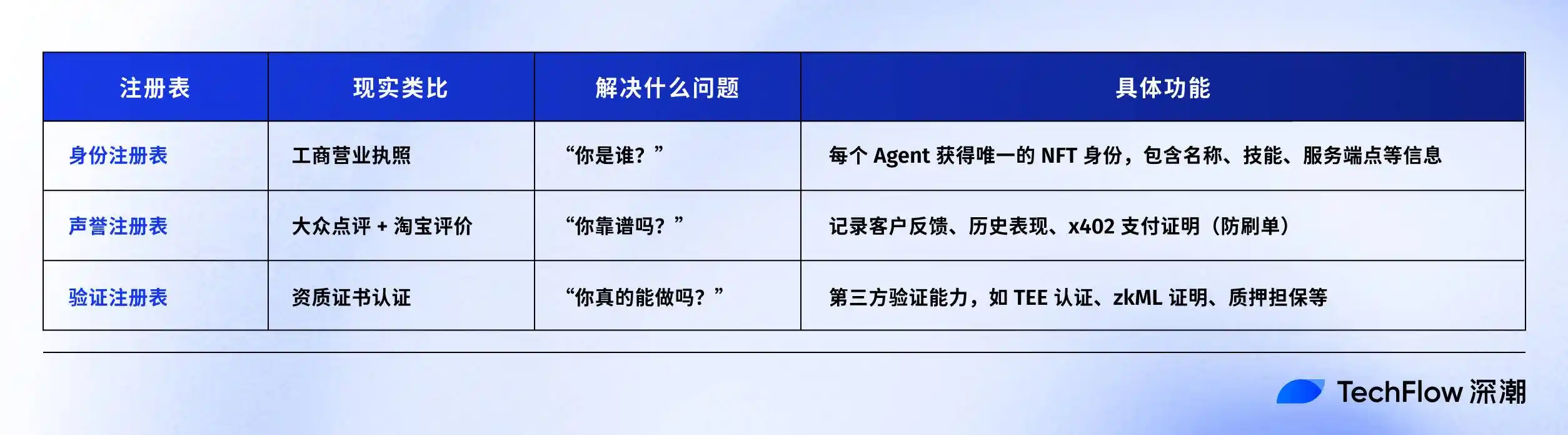
Once payment is confirmed, call the provider's refresh endpoint. For Ethereum-based NFTs, you can use the Alchemy refreshNftMetadata endpoint or OpenSea's refresh API. For Solana, use the Metaplex JS SDK to update the metadata account. Pass the NFT contract address and token ID as parameters. Handle any errors from the provider gracefully.
After the provider confirms the refresh, fetch the latest metadata from the blockchain or indexer. Return the updated JSON object to the client. Include a 200 OK status with the new metadata. This allows the client to immediately display the refreshed information without additional requests.
When constructing the endpoint, consider the specific requirements of your target chain. Ethereum NFTs often rely on cached metadata from indexers like Alchemy or OpenSea, which can be refreshed via API calls. Solana NFTs, however, may require direct on-chain transactions to update the metadata account, which involves higher gas costs and different error handling.
Always test your endpoint with a small batch of NFTs before deploying to production. Monitor the response times and error rates to ensure the x402 payment flow does not introduce latency. If you encounter issues with token verification, check the x402 specification for the correct header format and validation logic.
Handle API authentication and errors
Validating the x402 payment proof is the gatekeeper for your endpoint. Before your NFT metadata refresh logic executes, you must verify that the incoming request carries a valid proof header. If the proof is missing, malformed, or expired, the request fails immediately. This check prevents unauthorized access and ensures you are compensated for the computational cost of querying the blockchain.
When a request lacks proper credentials, the API should return a 401 Unauthorized status. This is distinct from a 403 Forbidden, which implies the user is authenticated but lacks permission. In the context of x402, a 401 signals that the payment proof itself is invalid or absent. You can reference the OpenSea documentation for standard metadata refresh behaviors, but your x402 layer sits above these standards, enforcing payment before the refresh even begins.
Another common failure mode is the 409 Conflict status. This typically occurs when a refresh is already queued or in progress for a specific NFT. Since blockchain indexing is asynchronous, attempting to trigger a duplicate refresh simultaneously can cause race conditions. Your endpoint should detect this state and return 409 with a message indicating the current status, allowing the client to poll for completion rather than retrying aggressively.
| Status Code | Meaning | Client Action |
|---|---|---|
| 401 | Invalid or missing x402 proof | Resubmit with valid proof header |
| 409 | Refresh already queued or active | Poll for status; do not retry |
| 500 | Internal server error | Retry with exponential backoff |
Verify the metadata update succeeded
After triggering the refresh, you must confirm the blockchain state has propagated. The API call completes instantly, but indexing layers and marketplaces may take time to reflect the new data. Relying on a cached view is the most common cause of confusion.
Check the raw token URI first. Use a block explorer to query the contract’s tokenURI function for your specific ID. If the returned JSON matches your latest payload, the on-chain state is correct. If the explorer still shows old data, the transaction may not have been included or indexed yet.
Next, verify the marketplace index. OpenSea and other platforms do not update in real-time; they poll the blockchain or rely on their own indexing services. A successful on-chain update does not guarantee an immediate UI change. You can queue a manual refresh on the marketplace, but this is often a fallback for when the automatic indexer falls behind.
If the block explorer shows the correct URI but the marketplace does not, the issue lies with the indexer, not your endpoint. In this case, allow more time for propagation or contact the marketplace support with the transaction hash as proof of the correct state.
Common x402 NFT refresh mistakes
Even with a working x402 endpoint, the refresh flow can fail silently or break the listing if specific conditions aren't met. These errors usually stem from misunderstanding how marketplaces cache data or mismanaging the token lifecycle.
Using the wrong token ID
The most frequent error is passing the contract address as the token identifier. Marketplaces like OpenSea and Alchemy expect the specific tokenId (the unique integer for that NFT), not the base contract address. Passing the contract address results in a "not found" error or, worse, a refresh request that targets the entire collection index rather than the individual asset.
Ignoring race conditions
If your x402 endpoint triggers a metadata update while a user is simultaneously editing the listing or if multiple refresh requests hit the server in quick succession, you can create a race condition. The marketplace may cache an intermediate, incomplete state. Always ensure your endpoint returns a confirmation that the blockchain transaction is fully indexed before signaling the marketplace to refresh.
Skipping gas fee verification
An x402 endpoint that attempts to update metadata on-chain without verifying that the user has sufficient gas will fail. If the transaction reverts, the marketplace cache remains stale. Validate that the transaction succeeded and wait for the required number of block confirmations before calling the marketplace's refresh API.
Frequently asked questions about x402 NFT metadata refresh
How long does an x402 NFT metadata refresh take?
Latency depends on the underlying blockchain and the x402 facilitator’s processing speed. For Ethereum-based NFTs, Alchemy’s refresh endpoint typically returns within seconds, as it updates cached metadata rather than waiting for on-chain confirmation (Alchemy Docs). Solana updates are similarly fast, usually completing in under a minute via Metaplex SDKs (QuickNode). The x402 payment verification adds minimal overhead, especially when using low-fee networks like Stellar for settlement (Stellar Docs).
What are the costs for refreshing NFT metadata via x402?
You pay two fees: the x402 API access fee (set by your endpoint) and the blockchain gas or network fee. On Ethereum, gas fees for metadata updates can vary significantly based on network congestion. Using stablecoins like USDC for x402 payments helps stabilize costs (YouTube: x402 Explained). On Solana, transaction fees are negligible. On Stellar, settlement fees are fractions of a cent (Stellar Docs). OpenSea’s refresh endpoint is free for users, but the underlying API calls may incur costs depending on your provider (OpenSea Docs).
Which blockchains support x402 NFT metadata refresh?
x402 is blockchain-agnostic, but supported chains depend on your facilitator and NFT standard. Ethereum, Solana, and Stellar are explicitly supported by major x402 implementations (Stellar Docs, QuickNode). Hedera also supports NFT metadata updates, though x402 integration may require custom setup (Hedera Docs). Always verify that your chosen facilitator supports the specific blockchain your NFTs reside on.
Can I refresh metadata for multiple NFTs at once?
Most providers support batch updates. Alchemy’s API allows refreshing metadata for multiple tokens in a single request, which is more efficient than individual calls (Alchemy Docs). OpenSea also supports bulk refreshes for collections (OpenSea Docs). Ensure your x402 endpoint handles batched responses correctly to avoid rate limits or partial failures.
Do I need to hold the NFT to refresh its metadata?
No. Metadata refresh is a read/update operation on the token’s stored data, not a transfer of ownership. You only need the API credentials or wallet signature required by your x402 facilitator. However, some chains may require the caller to be the token owner or minter for certain metadata fields (Hedera Docs, QuickNode). Always check your facilitator’s access control rules.
No comments yet. Be the first to share your thoughts!