Why NFT metadata needs paid refresh
Standard NFT metadata updates are free, but they lack a monetization layer for dynamic data. When an NFT’s traits change based on real-world events, on-chain activity, or user interactions, the cost of computing and serving that update falls entirely on the developer. Current infrastructure treats these updates as a utility rather than a service, leaving no direct revenue stream for the data provider.
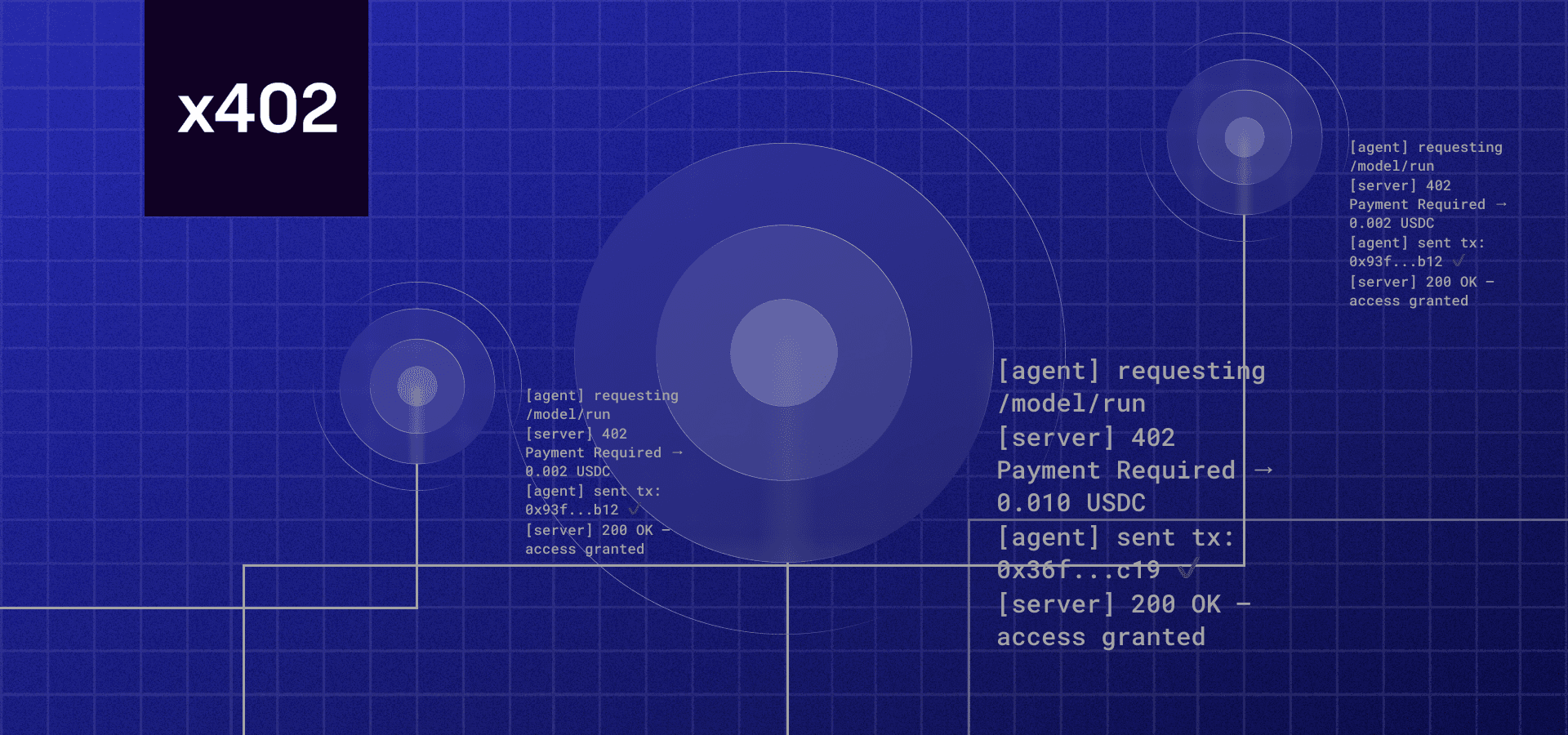
x402 solves this gap by enabling direct, agent-friendly payments for API calls. Instead of relying on ad revenue or subscription models that require complex user authentication, x402 allows AI agents to pay for data updates using stablecoins. This creates a micro-transaction economy where every metadata refresh is a billable event.
This model shifts the paradigm from "free access with hidden costs" to "pay-per-use for verified data." Thirdweb's x402 facilitator acts as the middleman, verifying that the buyer has sent the payment before your API returns the updated metadata. This ensures that developers are compensated for each dynamic refresh, turning metadata updates into a sustainable, automated revenue source.
The result is a more efficient market for digital assets. Developers can offer high-frequency, real-time metadata updates without subsidizing the compute costs. Buyers, particularly autonomous agents, get reliable, paid-for data without the friction of traditional payment gateways. This alignment of cost and value is essential for the next generation of dynamic NFTs.
Set up the x402 facilitator
The x402 facilitator acts as a payment verification middleman, ensuring that buyers have sent the required funds before your API returns updated metadata. Thirdweb provides a managed node for this process, allowing you to focus on the logic of metadata refresh rather than building a payment router from scratch.
To begin, you need a thirdweb account and a wallet with sufficient funds to cover transaction gas fees. Since x402 transactions typically use stablecoins like USDC to avoid volatility during the verification window, understanding the current rate is helpful for setting up your pricing tiers.
1. Install the x402 package
Start by adding the thirdweb SDK to your project. This package provides the necessary utilities to interact with the x402 protocol and manage payment verification. Run the following command in your project directory:
npm install @thirdweb-dev/sdk
2. Configure your environment
Create a .env file to store your API keys and wallet credentials. Never hardcode sensitive data in your source files. You will need your THIRDWEB_SECRET_KEY and the private key of the wallet that will receive the payments.
THIRDWEB_SECRET_KEY=your_secret_key
WALLET_PRIVATE_KEY=your_wallet_private_key
3. Initialize the facilitator
Import the necessary modules and initialize the thirdweb client. This step establishes the connection to the blockchain network where your NFTs reside. Ensure you are connected to the correct network (e.g., Ethereum, Polygon, or Base) that supports your NFT contract.
import { ThirdwebSDK } from "@thirdweb-dev/sdk";

const sdk = new ThirdwebSDK("your_network_id", { secretKey: process.env.THIRDWEB_SECRET_KEY });
4. Define the payment logic
Set up the payment verification function. This function checks if the buyer has sent the required amount of USDC to the facilitator's address. If the payment is confirmed, the function returns a token that allows the buyer to access the metadata refresh endpoint.
async function verifyPayment(paymentTxHash) {
  // Logic to verify payment on-chain
  // Return a verification token if successful
}
5. Deploy the endpoint
Deploy your API endpoint to a server or serverless platform. Ensure that the endpoint is secured and only accessible to users with valid verification tokens. The endpoint should call the verifyPayment function and return the updated metadata if the payment is valid.
This setup provides a robust foundation for x402 endpoints, allowing you to monetize NFT metadata refresh services securely and efficiently.
Connect to NFT metadata APIs
x402 Endpoints for NFT Metadata Refresh works best as a clear sequence: define the constraint, compare the realistic options, test the tradeoff, and choose the path with the fewest hidden costs. That order keeps the advice usable instead of decorative. After each step, pause long enough to check whether the recommendation still fits the reader's actual situation. If it depends on perfect timing, unusual access, or a best-case budget, include a simpler fallback.


Handle common integration errors
The easiest mistake with x402 Endpoints for NFT Metadata Refresh is comparing options on the most visible detail while ignoring the day-to-day constraint. A choice can look strong on paper and still fail because it is too hard to maintain, too expensive to repeat, or awkward in the actual setting. Use the same checklist for every option: fit, cost, durability, timing, upkeep, and fallback plan. That keeps the comparison practical instead of drifting into preference alone.
The simplest way to use this section is to write down the real constraint first, compare each option against it, and choose the path that still works outside ideal conditions.
Verify metadata updates on-chain
x402 Endpoints for NFT Metadata Refresh works best as a clear sequence: define the constraint, compare the realistic options, test the tradeoff, and choose the path with the fewest hidden costs. That order keeps the advice usable instead of decorative. After each step, pause long enough to check whether the recommendation still fits the reader's actual situation. If it depends on perfect timing, unusual access, or a best-case budget, include a simpler fallback.
The simplest way to use this section is to write down the real constraint first, compare each option against it, and choose the path that still works outside ideal conditions.
No comments yet. Be the first to share your thoughts!